An Investor’s Guide to Commercial Real Estate Inspections
Written on January 5th, 2026 | Updated on May 22nd, 2026
A commercial real estate inspection gives you an idea of what you’re walking into before you invest in a property. The results of a professional assessment not only provide a clear picture of a potential asset’s value, but also an approximation of the short- and long-term costs of renovation and maintenance. This guide breaks down the importance of scheduling comprehensive inspections and what you can expect during the process.
Why Commercial Real Estate Inspections Matter
Not only do inspections give you insight into the condition of the interior and exterior of a commercial property, but they also allow you to allocate resources effectively. The final report explains issues and offers recommendations for which items should be addressed first. You can optimize your budget and direct funds toward the most pressing items to create a safe and operational environment for potential tenants.
Types of CRE Inspections and Assessments
Structural inspection: An inspector reviews the foundation, walls, beams, floors, and roof for signs of cracks, sagging, settling, and leaks. Those issues might indicate larger structural problems and contribute to safety and property value.
Systems assessment: Outdated or malfunctioning HVAC, electrical and plumbing systems negatively affect your building’s energy efficiency. An inspection will include looking for problems like faulty wiring, corroded pipes and poor ventilation.
Safety inspection: Your fire alarms, smoke detectors and sprinkler systems must be in working condition. Any issues with your property’s structural or operational features are also factored in a safety inspection.
Environmental evaluation: The purpose of this inspection is to identify environmental risks and contamination that could affect tenants. Interior dangers, such as asbestos and lead paint, as well as outdoor hazards like soil and groundwater contamination, will influence the cost of maintenance and your ability to lease your property.
Zoning compliance: Those regulations dictate how you can use and develop your commercial real estate investment. Assessments cover your property’s zoning classification, permitted uses, accessibility requirements and capacity limits.
The Inspection Process
Compile Property History and Maintenance Records
Gather past inspection reports, service logs, capital improvement records, warranty information and occupancy certifications before an inspector arrives. Doing so allows you to provide them with insight into your property’s history and your efforts to maintain it.
Complete a Self-Inspection
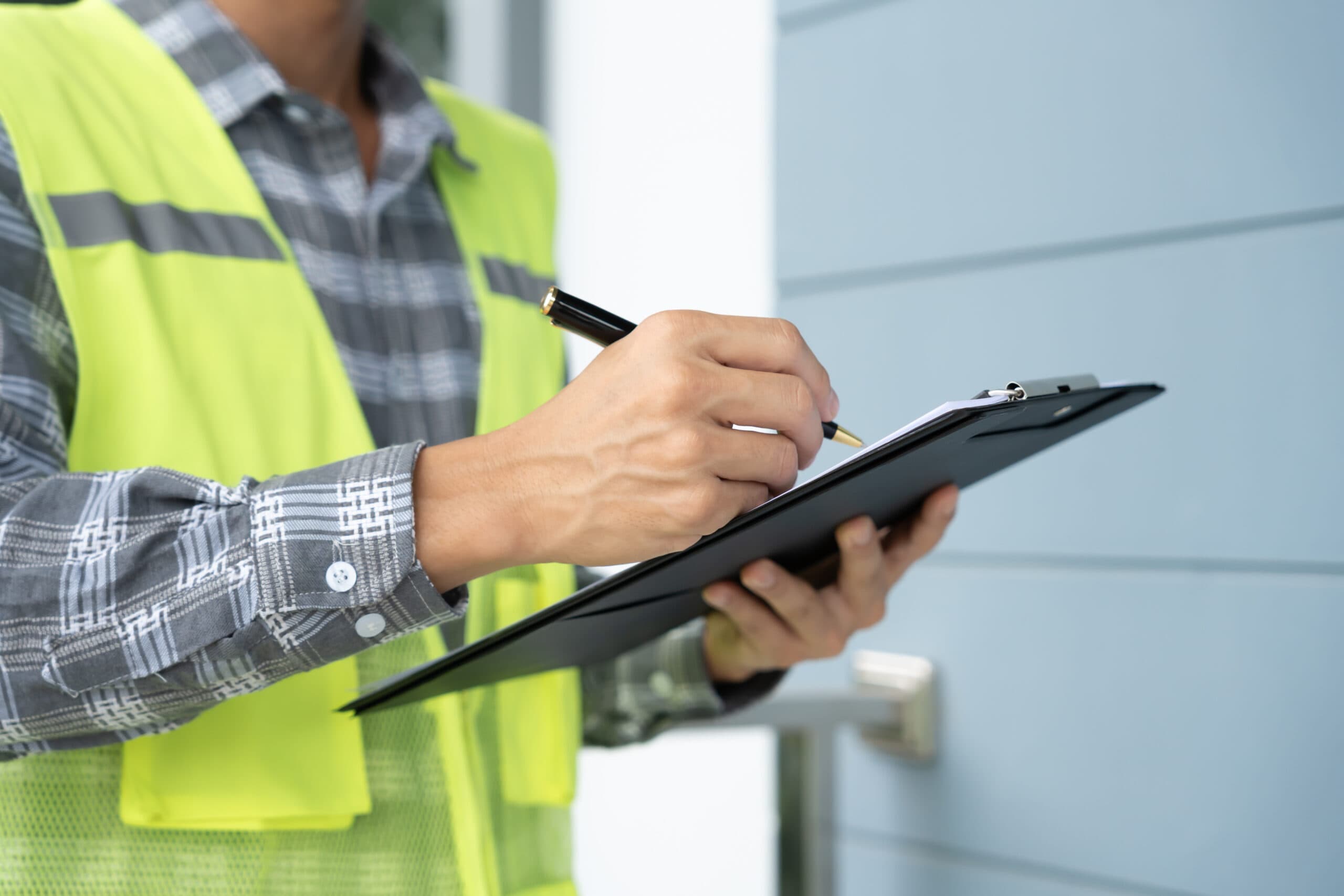
Conduct a visual inspection of the interior and exterior of your commercial building to identify and address obvious issues before the inspector arrives. You can save yourself time and help them focus on more technical assessments.
Coordinate Access
Ensure all necessary spaces and systems are accessible, including mechanical rooms, the roof and restricted areas. If you have tenants in residence, notify them ahead of the inspection so they can prepare for the visit and allow access to internal structures.
Hire a Certified Inspector
Working with a certified inspector helps you shield yourself from legal issues and gives you unique insight into the state of your investment. These experts are well-versed in recognized industry standards and are trained in risk identification, which helps you manage your capital expenses.
Review the Results
Once the evaluation is completed, an inspector will provide you with a report of their findings. That may include repair or upgrade recommendations, repair costs, safety violations and items that require specialist review.
How to Leverage Inspection Results When Investing
Each defect or repair has an associated cost that influences the ROI of your investment. You can leverage the findings to determine which problems require immediate attention and which may be addressed over time. That reduces the risk of minor issues becoming larger problems that affect your rental income.
Inspection results will directly affect your property’s insurability. You may face increased costs if you have electrical hazards, a sagging roof or zoning violations that create a dangerous work environment. Addressing concerns identified in an inspection allows you to optimize asset functionality and use those improvements to negotiate competitive lease terms, too.
Professional Commercial Real Estate Investment Services in Columbus, Ohio
Having a trusted partner to coordinate your inspections and negotiations makes investing in commercial real estate a lot simpler. DRK and Company can guide your investment efforts, schedule inspections and identify new opportunities to optimize your portfolio. Contact us to learn about our services.
You May Also Like

470 Olde Worthington Road, Suite 101
Westerville, OH 43082
© 2026 DRK and Company. All Rights Reserved.