
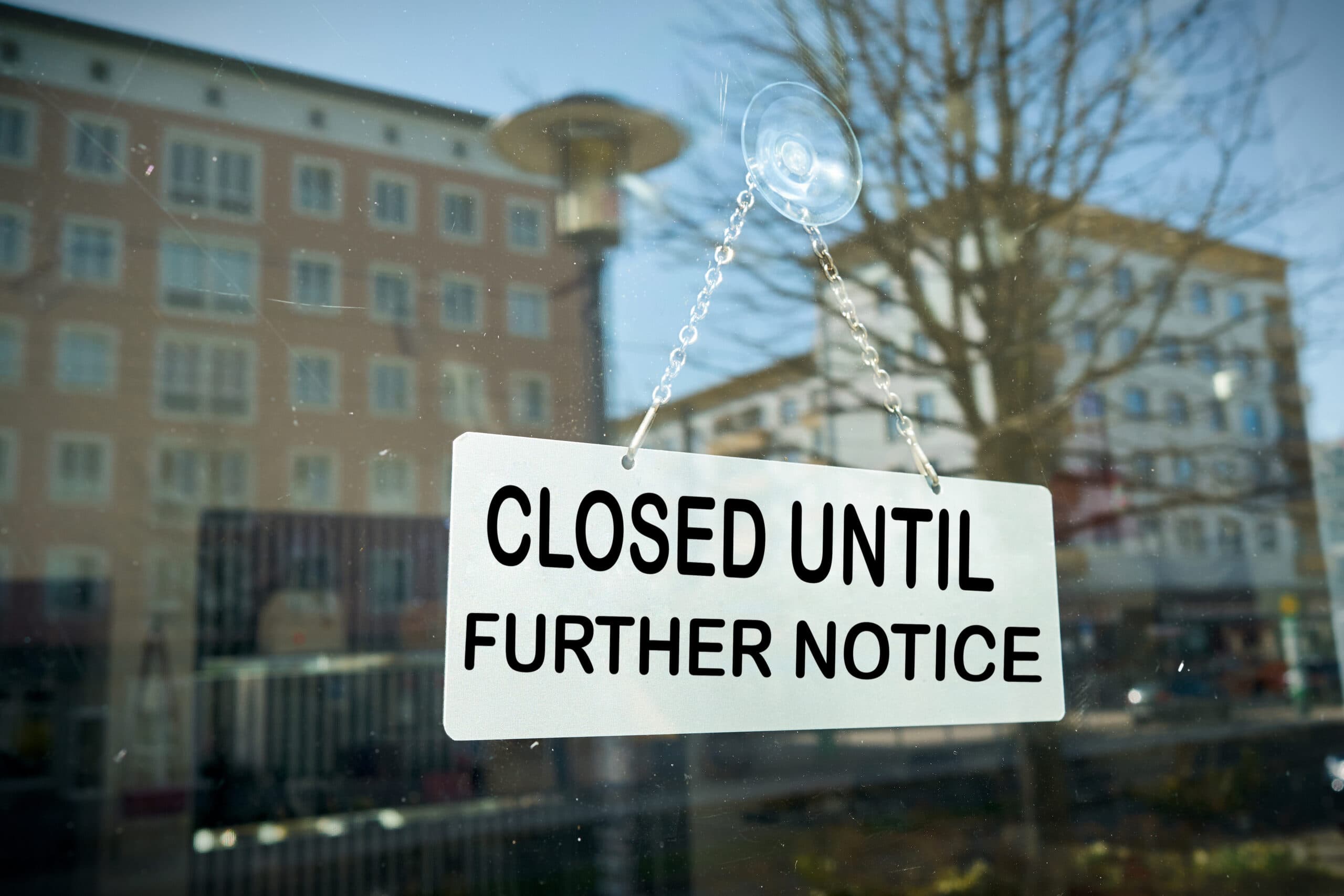
How Force Majeure Affects Commercial Real Estate Transactions
Written on February 16th, 2026 | Updated on May 22nd, 2026
The unexpected can have major implications for commercial real estate leases and transactions. A force majeure clause can help you and your tenants protect yourselves from unforeseeable events that impact income and operations. This policy must be outlined with specific language to avoid legal disputes and interpretation issues.
Recent events, such as the COVID-19 pandemic, highlight the importance of having this “disaster plan” in place to address operational disruptions and safeguard parties involved in a commercial lease.
What is Force Majeure?
It’s a French term that means “superior force.” A force majeure clause is a legal provision that alleviates the contractual parties of certain obligations in the event of extraordinary circumstances. That could include natural disasters, government shutdowns, war, public health crises, terrorism and labor strikes. However, depending on the type of commercial property and geographic location, some of those provisions may not qualify. For example, if your property is in an earthquake-prone area, you may be unable to include that natural disaster in a force majeure clause unless it’s particularly severe.
Qualifications for Force Majeure
Unavoidable: An event cannot be prevented or overcome, even if efforts are made to resolve disruptions. For example, a lack of product accessibility prevents tenants from acquiring merchandise even after seeking alternative suppliers.
Unforeseeable: This component of force majeure is defined as a situation that couldn’t be anticipated during contracting. That could include seasonal weather or states of emergency.
External: A situation must be outside the affected party’s control. If an event is caused by internal failure or poor management, it will not qualify. Government actions and utility failures are common examples of external issues.
Force Majeure in Commercial Real Estate
You can write a force majeure clause into leases, purchase agreements, vendor contracts and financing documents. Using specific terms allows for clarity, while general phrases could leave room for interpretation during mediation or litigation.
Impact on Leases
Force majeure allows you to temporarily suspend your lease obligations within a set period, whether that’s the duration of the circumstances or a specific number of days. Lease term extensions and amended operating requirements can help allocate risk accrued during those extenuating events.
Most force majeure clauses don’t allow you to defer base rent payments. Depending on the specifics, a landlord or property owner may mandate tenants to pay normal maintenance costs, taxes, insurance and other expenses outlined in the lease agreement.
This type of policy is more often applied to non-monetary obligations, such as daily operations, construction, inspections and repairs.
Examples include:
- Production delays due to natural disasters
- Construction issues caused by material shortages
- Permitting trouble because of government shutdowns
Effect on Property Sales
Unforeseen circumstances can delay the closing of purchase or sales agreements. Force majeure clauses for those types of contracts are typically more defined than the verbiage in leases. Government shutdowns and court closures can disrupt title procurement and permitting, while natural disasters could prevent site inspections. You can outline a force majeure extension cap with a termination contingency if negotiations exceed a deadline.
What to Include in Force Majeure Clauses
Set parameters: Be explicit when it comes to defining the events you consider force majeure in your contract. Catchalls can leave terms open to interpretation, which may require litigation if the clause is invoked. For example, define “acts of God” more clearly as severe weather, fire or floods.
Provide prompt notification: A specific type of notice (written, digital, etc.) should be provided within a given timeline. You may create a template that includes the date, affected contractual obligations and anticipated duration.
Collect documentation: Evidence is crucial when using force majeure. Government orders, weather advisories, photos, videos, correspondence and mitigation efforts allow you to prove whether the provisions for that clause are met.
Define the duration: Open-ended or vague timelines can leave you stuck in negotiation purgatory. Setting a duration cap allows you to conclude if a solution can’t be procured. That may include contract termination or extensions if either party exceeds the designated deadline.
Commercial Real Estate Brokerage Services in Columbus, Ohio
Force majeure is an important part of contract negotiation, so it’s crucial to understand the breadth of its implications. DRK and Company offers brokerage services to help you navigate commercial lease discussions and protect your investment. Our expert team has the knowledge and experience to get you deals that optimize your portfolio. Contact us to learn more about our CRE services.
You May Also Like



470 Olde Worthington Road, Suite 101
Westerville, OH 43082
© 2026 DRK and Company. All Rights Reserved.