
Understanding Types of Commercial Real Estate Obsolescence
Written on January 14th, 2026 | Updated on May 22nd, 2026
Over time, you may encounter a change in the value of your commercial real estate investment due to obsolescence, especially if you own an older property. Any asset that doesn’t meet current market expectations and demands may drive away potential tenants, affecting your ability to turn a profit. Understanding types of commercial real estate obsolescence can help you determine which factors are within your control and how to mitigate them.
What is Commercial Real Estate Obsolescence?
Obsolescence is defined as any factor that negatively impacts a commercial property’s usefulness. CRE obsolescence can be curable or incurable, depending on the cause, which is why it’s important to assess the risk profile of a potential investment. Doing so allows you to determine if you can address any issues that could affect your ability to optimize your ROI. Obsolescence directly affects the value, usability and overall operating costs associated with buying and maintaining any property.
Types of Commercial Real Estate Obsolescence
Physical Obsolescence
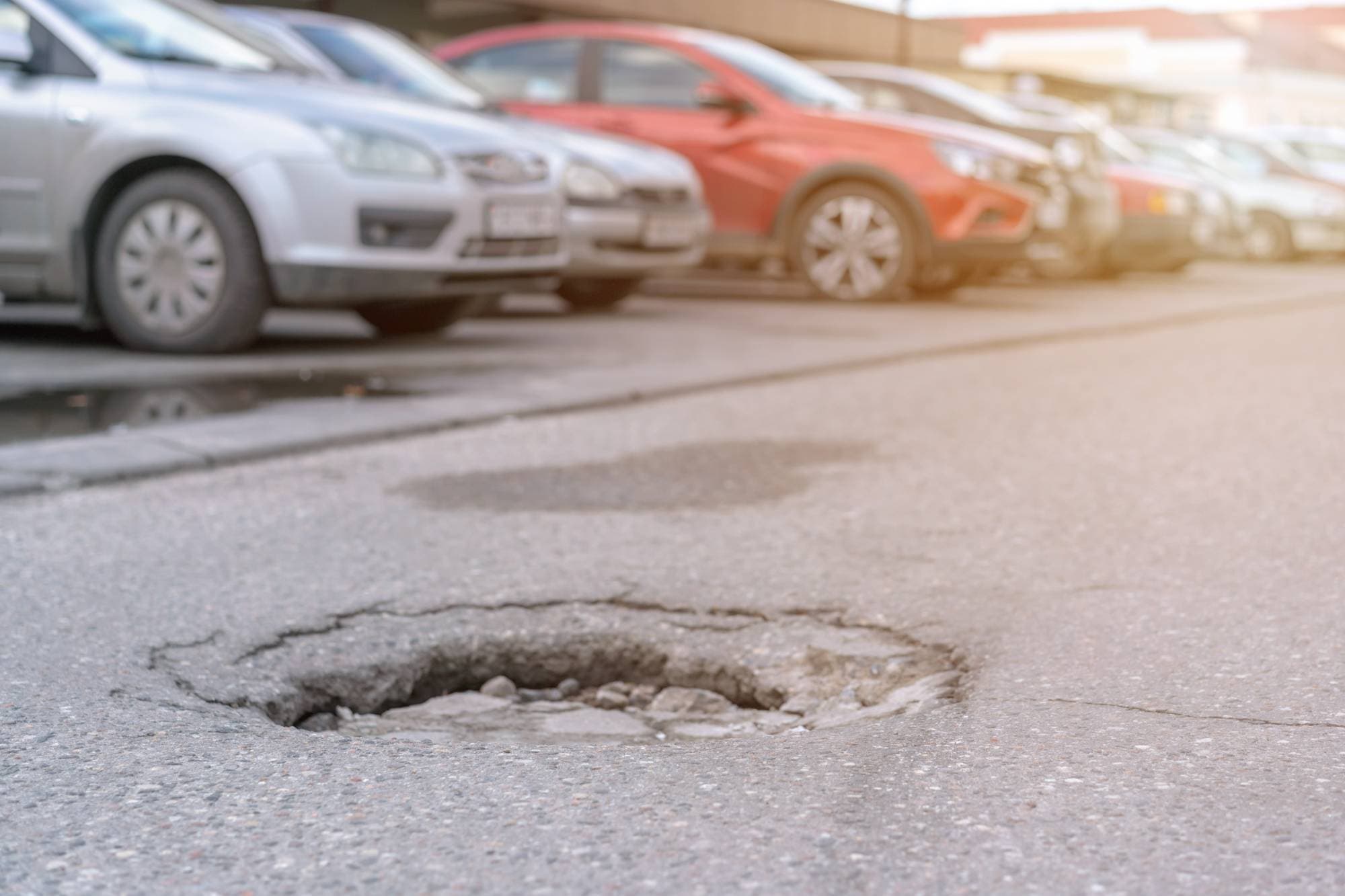
Any property deterioration or mismanagement can result in physical obsolescence. Physical wear and tear can occur over time due to aging materials, daily use and environmental exposure. This type of obsolescence extends beyond the building and can include grounds and parking lots. Structural issues can also contribute to physical degradation as they affect occupant safety. While considered curable obsolescence, if the cost of repairs outweighs the earning potential, you may need to rethink your investment in that specific property.
Functional Obsolescence
Functional obsolescence is defined as property design, layout and features that no longer align with tenant expectations or market demands.
Those shortcomings may include:
Outdated technology: A commercial property must be able to accommodate the technological demands of its tenants. Energy inefficiency, limited internet connection and a lack of building automation qualify as functional obsolescence.
Layout inefficiencies: Low ceilings, narrow spacing and large waiting rooms that waste space are considered inefficient in CRE. Addressing those outdated design elements can help you optimize your existing floor plan.
Renovation constraints: Some properties can’t be renovated due to structural elements, location, load limits and regulatory restrictions. That inflexibility can result in functional obsolescence.
Economic Obsolescence
Also known as external obsolescence, this type of property depreciation is characterized by outside factors that affect your ability to generate revenue. The state of a surrounding neighborhood, a decline in population, zoning changes, traffic patterns changes and public nuisance projects can impact the success of your investment. Those factors are considered incurable, but staying informed about economic changes can help you navigate the effects of their implementation.
Signs of Commercial Obsolescence
Physical obsolescence:
- Visible damage like cracks and leaks
- Aging or failing HVAC, electrical and plumbing systems
- Increased maintenance costs
- Building code compliance issues
Functional obsolescence:
- Low ceiling heights
- Insufficient power and connectivity capacity
- Lack of updated amenities
- Difficulty attracting and retaining clients
Economic obsolescence:
- Reduced foot traffic
- Loss of complementary businesses and employers
- Rising vacancy rates
- Adverse regulatory changes
How Obsolescence Can Affect Your Property
The physical state of your property and the on-site amenities and features directly influence your ability to attract tenants. If you’re working with an outdated asset that presents functional obstacles to their success, your renters may find an alternate place to do business. Obsolescence also increases your investment risk as it introduces uncertainty when it comes to financial stability. You may face less predictable costs and reduced design flexibility, which limits how you structure rental agreements. Appraisers account for obsolescence during inspections, so failing to address structural and functional issues could result in lower projected operating income. And if you need to offload a CRE investment with obsolescence, you may face a smaller pool of buyers, which reduces your resale potential.
Strategies to Combat CRE Obsolescence
Renovate and upgrade: Targeted renovations can slow or prevent certain types of obsolescence, especially physical and functional issues. Upgrading mechanical, electrical and plumbing systems and modernizing layouts can improve building efficiency and attract tenants.
Monitor market trends: Staying on top of market shifts allows you to identify and navigate emerging risks that could impact your investment’s performance. That includes paying attention to zoning and code changes, learning about building technology and adhering to sustainability standards.
Watch neighborhood development: Your property’s long-term viability is closely linked to its surrounding environment. Deteriorations in infrastructure, loss of employers, and shifts in land use may suggest it’s time to reconsider your investment in a specific property.
CRE Investment Services in Columbus, Ohio
Understanding the effects of commercial real estate obsolescence is essential to protecting the long-term success of your investment portfolio. Whether you’re evaluating an existing asset or considering a new acquisition, having the right guidance can help you identify risks and make informed decisions. DRK and Company employs local CRE experts who are well-versed in the Columbus metropolitan area. Contact our investment team to learn about our market insight and strategic support services.
You May Also Like


470 Olde Worthington Road, Suite 101
Westerville, OH 43082
© 2026 DRK and Company. All Rights Reserved.