
Types of Commercial Real Estate Risks
Written on December 1st, 2025 | Updated on December 1st, 2025
Any type of investment comes with inherent risk due to the myriad factors that influence your success – many of which are out of your control. However, it’s important to understand them so you can adjust your strategy to optimize your portfolio.
Market Risks: Navigating Economic Shifts
Supply and demand: Commercial property values are influenced by the number of available units and tenant demand. The condition of a given industry will also determine whether businesses can afford to rent your property. For example, high demand for industrial space combined with a limited supply of locations could result in increased rental prices and higher occupancy rates due to scarcity.
Economic downturns: Recessions can cause businesses to scale down or close their doors, affecting a tenant’s ability to pay rent. That might mean higher vacancies or greater demand for rent concessions, placing additional financial pressure on you as the investor or owner.
Market saturation: An abundance of similar properties in a specific area means you may have to compete to secure renters. Tenants may not be willing to pay a premium if they can find a cheaper alternative.
Financial Risks: Protecting Your Investment
The ability to generate enough income to cover operating expenses is one of the primary risks associated with investing in commercial real estate. Limited cash flow can reduce your returns and make it difficult to meet your mortgage payments. It’s affected by factors such as high vacancy rates, maintenance costs and inefficient property management.
Interest rates and mortgage terms also play a key role in your ability to optimize your finances. The economic climate directly impacts interest rates, which will trickle down to how much you must charge for rent. Working with a commercial real estate broker and understanding the art of negotiation can help you acquire favorable financing options.
Tenant Risks: Stability and Occupancy Challenges
Vetting tenants is crucial to reducing your risks as a commercial property investor. Here’s why:
Tenant creditworthiness: That reflects an individual or business’s ability to pay rent consistently. A higher credit score suggests a tenant is more likely to pay on time, which reduces your default risk.
Lease terms: The structure and duration of your leases can determine if a tenant signs on the dotted line. Longer leases, rent escalation clauses and triple-net options allow you to insulate yourself against unpredictability.
Turnover rates: If a renter vacates a property before their lease expires, you’ll be short a source of income. That means you’ll have to spend more money advertising available units to fill the financial gap. Maintaining strong tenant relationships and offering renewal incentives can mitigate the vacancy risks.
Legal and Regulatory Risks: Staying Compliant
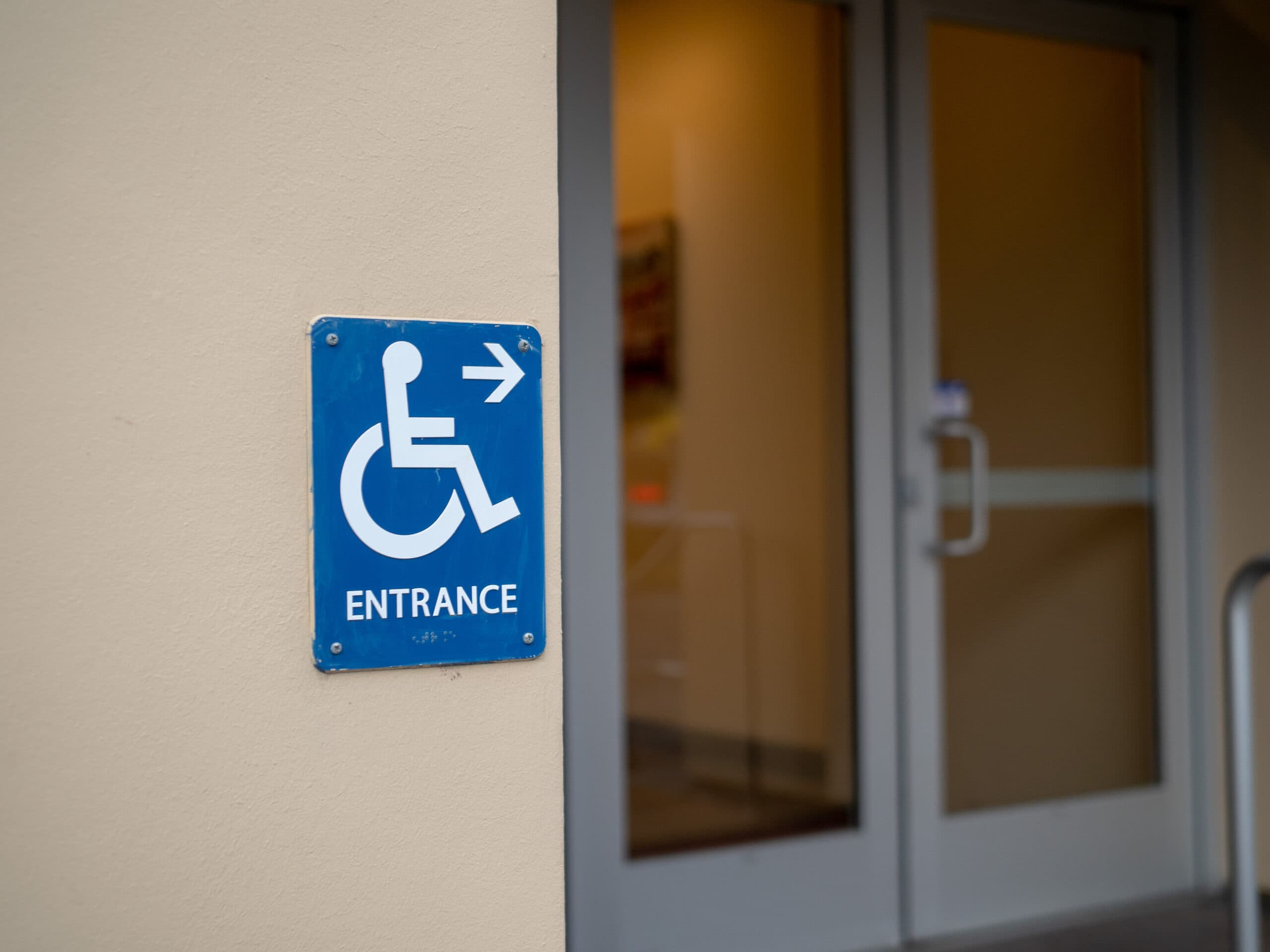
Zoning laws dictate how a property can be used and the kind of construction permitted in a specific area. Building codes set safety, electrical and mechanical standards for renovations. If you’re updating an older building, you might encounter more expensive upgrades and extensive permitting to stay compliant. If you’re investing in a public-facing property, you’ll also need to ensure your structure meets ADA regulations. That may include installing ramps, updating restrooms and using appropriate signage to avoid fines. Environmental concerns are another regulatory factor to consider and cover hazardous materials, soil contamination and air quality.
Physical Asset Risks: Maintenance and Deterioration
Aging infrastructure: Structural elements degrade over time, and that can pose a physical risk to your CRE investment. You may face increased repair costs and reduced marketability if you’re advertising a property with outdated systems.
Natural disasters: Storms, floods and other natural disasters can cause physical damage, increase your insurance costs and disrupt tenant operations. Be mindful of potential environmental factors before investing in a property.
Deferred maintenance: Postponing repairs or failing to adhere to a maintenance routine could result in unnecessary wear and tear on your property. That may contribute to tenant dissatisfaction, higher vacancies and decreased appraisal value.
The Role of Professional Management in Risk Reduction
Working with a professional property management team eliminates potential guesswork and allows you to streamline your investment strategy. An experienced property manager can provide you with insight into the local economy and the rental market, which allows you to avoid unnecessary risks. They can also deliver proactive oversight to address maintenance and repairs efficiently and keep your tenants happy.
Additional services include:
- Long-term financial planning
- Tenant vetting
- Lease structuring
- Property listing and marketing
- Operating expense monitoring
Balancing Risk and Reward in CRE Investments
Whether you’re new to the CRE industry or a seasoned investor, DRK and Company will work with you to identify your goals and optimize your portfolio. Our expert team lives and works in Columbus, Ohio, so they know the market inside and out. Learn about our investment and property management services and contact us to schedule a consultation.
You May Also Like


470 Olde Worthington Road, Suite 101
Westerville, OH 43082
© 2026 DRK and Company. All Rights Reserved.