
What to Expect During a Commercial Development Project
Written on June 4th, 2026 | Updated on June 4th, 2026
Organization makes the road to successful commercial development a lot smoother. It can also save you from the headache and confusion of trying to navigate site selection and building construction, especially if you’re new to the game. This guide will walk you through the process of commercial property development, step by step, so you know what to expect before you begin your search.
Phase 1: Site Selection and Acquisition
Before you select your commercial development site, you need to conduct due diligence and do your research.
That means evaluating factors, such as:
- Zoning restrictions
- Phase I and II environmental site assessments
- Market trends and demand
- Utilities infrastructure
- Permits
- Accessibility
During this phase, it’s important to work with professionals like real estate brokers, real estate attorneys, environmental consultants, geotechnical engineers and civil engineers. They will evaluate your property, provide recommendations and ensure you complete the necessary steps and documentation to move forward with your project.
Phase 2: Planning, Design and Entitlements
It’s crucial to take your time during this part of the process to ensure financing and construction run smoothly. It can be overwhelming working through all the fine details if you’re a first-time investor or owner, even before you break ground. That’s why it’s important to work with an architect who can walk you through concepts and schematics. They usually begin with a high-level idea of what your site will be used for, their construction designs and the materials and staff they’ll need to get the job done.
Be mindful of aligning your design with your budget to avoid overspending. You’ll need to reconcile the architect’s plans with your financial reality before moving forward.
Entitlements are completed during this phase, too. You can’t begin your project until the local, state and sometimes federal government gives you the legal right to your property. It can take several months to complete an entitlement, depending on the complexity of your build.
Phase 3: Financing Your Project
Once you’ve completed zoning verification, environmental evaluations and building plans, you can pursue financing options. That may require proof of insurance and evidence of regulatory compliance before you can negotiate a purchase agreement with a lender.
This phase is more complex than residential development because financing is more scrutinized and affected by the perceived viability of your project. Potential lenders want to know that you’ve put in the work and completed the necessary analyses to begin development.
Commercial development financing options include:
- Construction loans: This is the most common type of commercial loan that requires detailed plans, budgets and a qualified contractor for approval.
- Permanent loans: This long-term loan that usually replaces a construction loan upon project completion.
- Equity partnerships: Private investors can help fund a portion of your build in exchange for an ownership stake and profit share.
- Government programs: The Department of Housing and Urban Development offers financing options for multifamily, affordable housing and healthcare developments.
Before you pursue funding options, be sure to have the following information organized for lenders:
- Your credit history
- Information on your development team
- Market demand
- A business plan
- A construction budget and timeline
- Loan-to-cost ratio
- Projected returns
Phase 4: Construction and Project Oversight
You’ll need to obtain the appropriate permits before a shovel touches the ground. Once those are secured, you can begin construction management, which is essential for keeping the work moving and addressing issues as they arise. It’s helpful to have a development team in your corner to handle the process.
Here’s what you can expect during this phase:
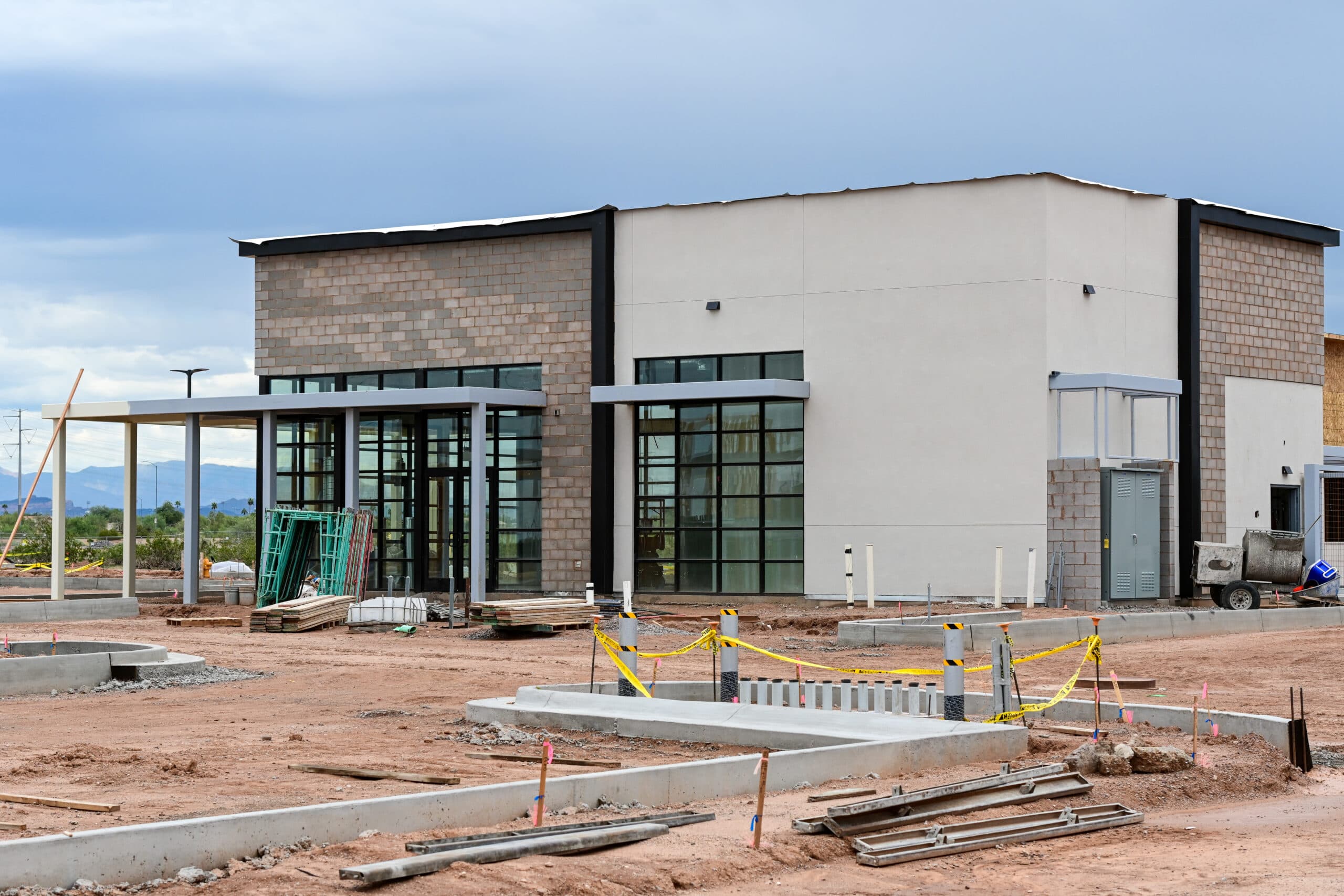
Site preparation: Depending on the current state of your site, the construction crew may have to clear vegetation and existing structures, grade for elevation, enact erosion control and lay underground utility infrastructure, like sewer, gas, water and electrical connections.
Foundation: Concrete must be poured, cured and inspected before building construction begins.
Structural framing: The steel, wood or concrete framework is erected once the foundation is laid. This is the step of the process when you begin to see your commercial property come to life.
Exterior envelope: The exterior walls, roofing, windows and doors are installed so interior work can begin.
Mechanical, electrical and plumbing work: Once the structure is enclosed, contractors can begin installing HVAC, electrical and plumbing infrastructure. That process requires coordination to manage multiple trades.
Drywall and interior finishes: Insulation and drywall are added to the interior to enclose the systems and framework. Then, cosmetic work begins, including flooring, painting and millwork.
Phase 5: Property Leasing
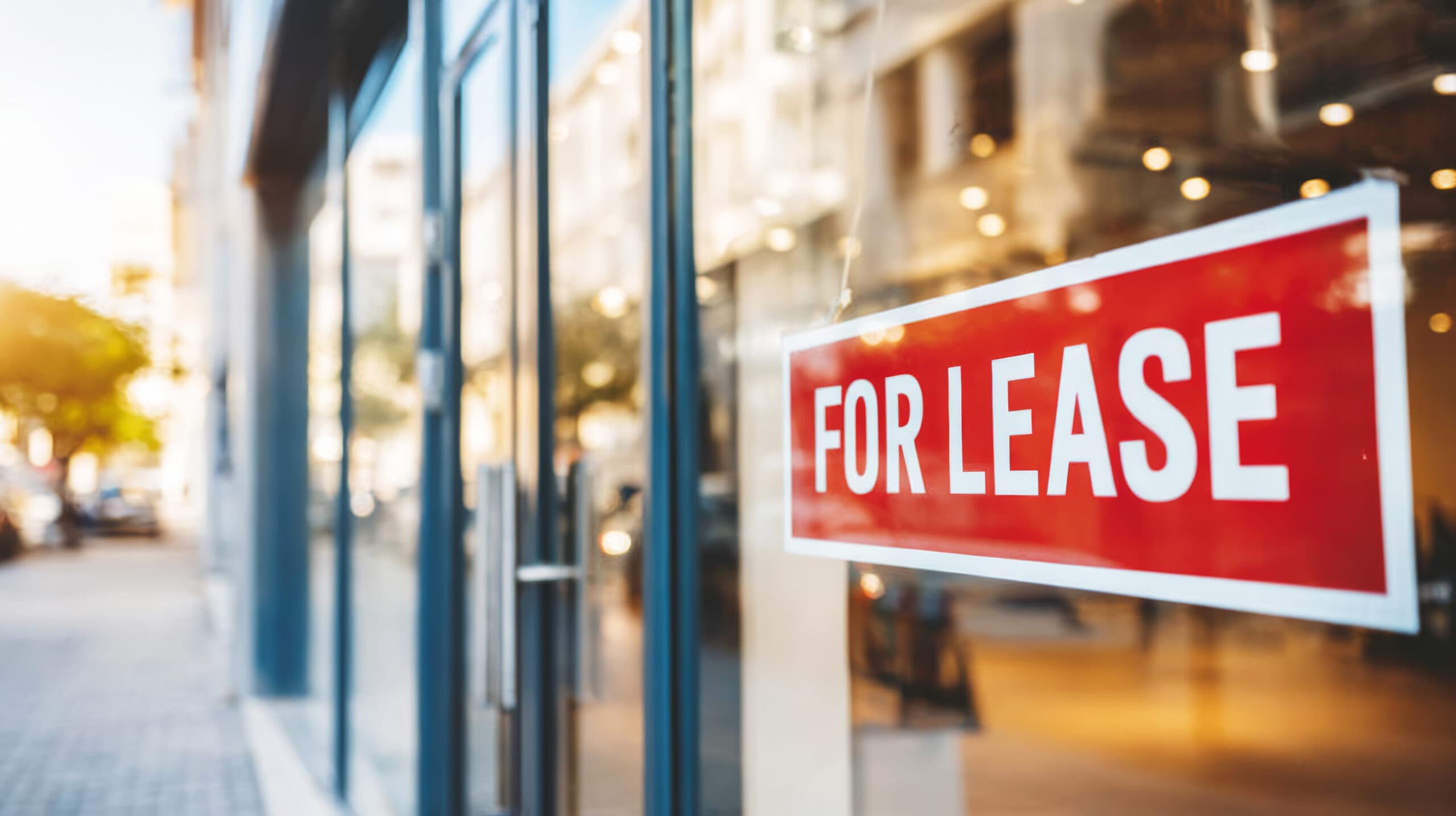
The process isn’t complete once there’s paint on the walls. Now, you’ll need to market your property to attract tenants and turn it into an asset that generates returns. Leasing can run parallel to the construction process; doing so allows you to reduce the gap between collecting costs and making a profit.
Leasing takes time. Allowing potential tenants to evaluate your space and conduct their assessments during construction keeps your timelines running concurrently.
It’s important to:
- Define your ideal tenant early
- Align building design with tenant demand
- Offer competitive pricing and lease terms
Commercial Real Estate Development in Columbus, Ohio
As a branch of DRK and Company, Metro Development allows you to benefit from direct access to an extensive team of commercial real estate agents. Our team can supervise and direct every aspect of the commercial development process, from acquisition to leasing, so you can focus on enhancing your portfolio. Email or call Director of Development Joe Thomas for more information.
You May Also Like

470 Olde Worthington Road, Suite 101
Westerville, OH 43082
© 2026 DRK and Company. All Rights Reserved.