

How to Complete Due Diligence as a Commercial Real Estate Investor
Written on May 1st, 2026 | Updated on May 22nd, 2026
You wouldn’t play poker without knowing your odds or understanding the rules. Investing in commercial real estate is a similar gamble with even higher stakes.
That’s why it’s essential to conduct due diligence before signing on the dotted line. That process quantifies your risks so you can decide if a commercial property is worth your time and money. Understanding the process will help you learn what needs to be done, who should be involved and how long the process will take.
What is Due Diligence in Commercial Real Estate?
It’s a financial, legal, environmental and operational assessment of a commercial property to verify the value presented by a seller. Due diligence is essential in commercial real estate transactions and insulates you against potential issues that could wreak havoc on your bottom line down the road. During the assessment, you’ll gather documents, schedule inspections, conduct financial analyses and learn about tenant history and relationships.
Commercial Real Estate Due Diligence Checklist
Financial due diligence: This part of the process involves evaluating if a commercial property generates the income the seller claims. You’ll need to calculate net income and operating expenses to account for costs and projections before entering into a purchase agreement.
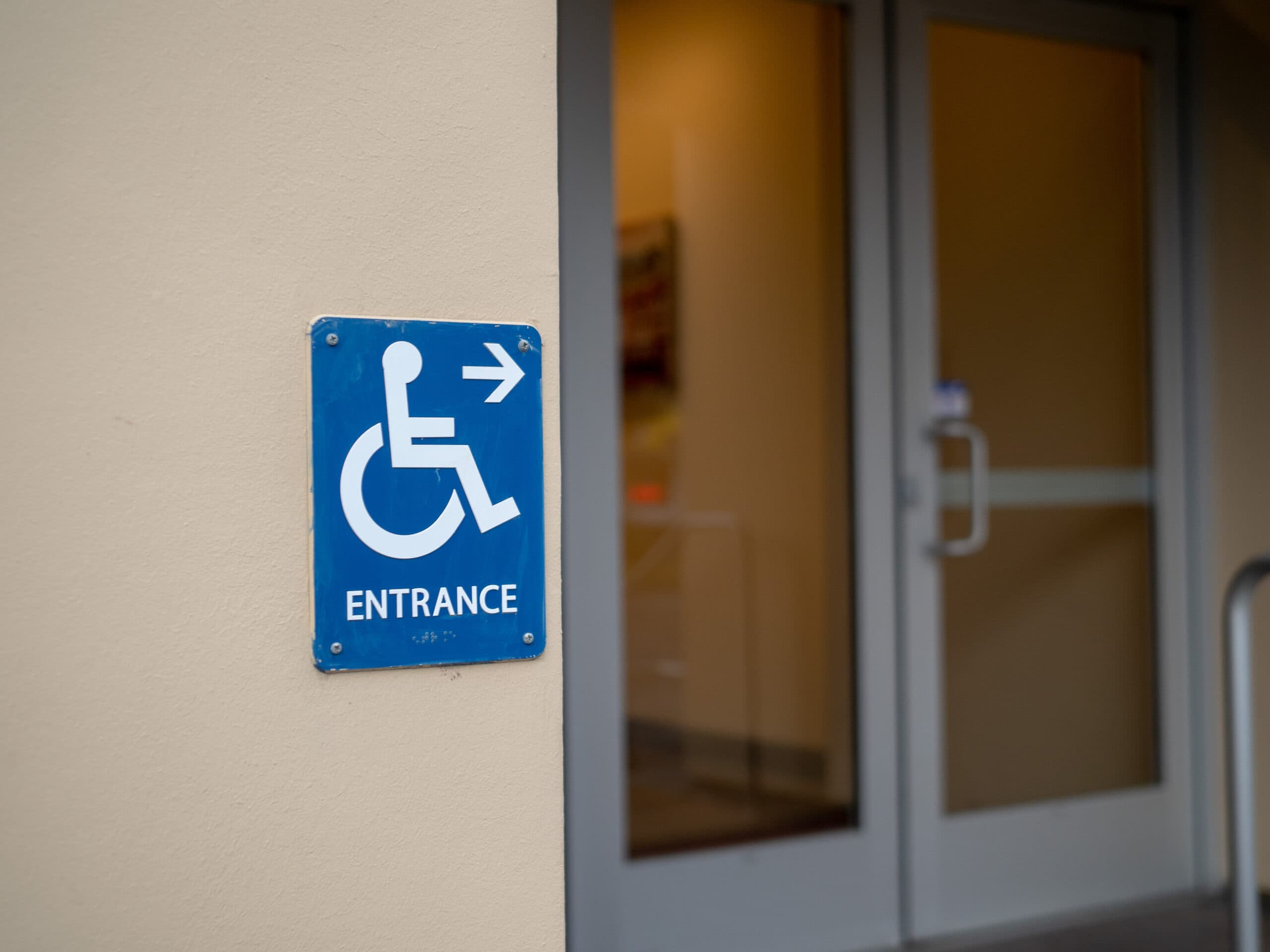
Property inspection: Physical due diligence demands a thorough inspection of the property. That includes structural and system inspections, boundary confirmation, parking compliance and accessibility. The report will reveal if a commercial asset meets your needs and whether there’s room for renovation or expansion.
Title review: Researching the title allows you to verify that the current owner has the right to sell the property. You can request a report from insurance companies, title agencies and county recorders to get information on ownership disputes, tax issues and liens.
Market analysis: It’s important to know how similar commercial assets are performing to get a clear picture of your property value and its long-term sustainability. That includes comparing rent pricing, job market growth and interest rates.
Environmental evaluations: Some properties, like industrial facilities, present environmental hazards. You’ll need to account for Environmental Site Assessments to identify potential contamination that could affect your operating and compliance expenses.
Step-by-Step Due Diligence Process for CRE Investors
Step 1: Gather documents
You’ll need the following:
- Historical records
- Ownership documentation
- Tenant leases
- Tax records
- Utility bills
Step 2: Complete a financial analysis
Verify all property income and expenses. Confirm tenants are making payments and returns follow the projections provided. Inquire about service, vendor and maintenance contracts.
Step 3: Schedule an inspection
A professional inspector will look at plumbing, roofing, safety systems, electrical work, HVAC and structural framework. They will identify signs of deferred maintenance and capital needs that may not have been disclosed.
Step 4: Review legal compliance
Ensure the title identifies clear ownership before signing any contracts. Inquire about liens and any pending lawsuits that could lead to legal headaches. Ask about zoning regulations, building codes and land use.
Step 5: Evaluate the market
This step allows you to understand how a commercial property performs within the broader market. Accounting for job growth, economic shifts and population factors will reveal the investment potential of a specific asset.
Who Should Be Involved in Due Diligence for CRE?
Enlisting the help of experts reduces your risk of missing key pieces of information. The following professionals can get the job done efficiently:
CRE brokers: These individuals offer market expertise and will interpret the findings provided by due diligence. They’re also helpful during contract negotiations if problems arise.
Inspectors: An inspector provides technical insight into what’s going on inside a commercial property. Not only do they evaluate the integrity of a building, but they also offer recommendations for necessary capital investments.
Real estate attorneys: An attorney will keep your legal interests top of mind throughout the investment transaction. They’ll review all documentation and identify red flags that could cost you money if they aren’t addressed.
Financial advisors: These professionals look at a commercial property through the lens of financial risk. They can verify income and help you understand if an investment fits into your portfolio.
Typical Timeline for Due Diligence
The commercial real estate due diligence process can last between 30 and 90 days. The duration of the process is dependent upon local laws, quality of seller documentation, environmental conditions, title complexity and availability of third-party professionals. It’s crucial to account for those variations in your schedule to avoid rushing the process and missing critical concerns.
Master the Art of Negotiation with Help from the Experts
Whether you’re just breaking into the world of commercial property investment or looking for ways to improve your portfolio, having a knowledgeable team at your back can impact your success. DRK and Company offers CRE brokerage and investing services to help you navigate the complexities of the Columbus market. Contact us to schedule a consultation.
You May Also Like



470 Olde Worthington Road, Suite 101
Westerville, OH 43082
© 2026 DRK and Company. All Rights Reserved.