
What Government Regulations Apply to Commercial Real Estate?
Written on July 7th, 2026 | Updated on July 7th, 2026
Investing in and managing commercial real estate isn’t just about securing leases. There’s a lot that must take place before you can find tenants to sign on the dotted line. Whether you’re developing a new property or upgrading one, you’ll need to navigate federal, state and local regulations to ensure your property is compliant with legal requirements.
Let’s break them down so you know what to expect before you begin a build or renovation.
How Government Regulations Influence CRE
Commercial real estate regulations exist to protect public safety, ensure fair business practices and preserve the integrity of the communities surrounding these properties. They dictate standards to promote safe working conditions and regulate what types of businesses are permitted to use commercial buildings.
Failure to follow those regulations can result in legal and financial implications, such as citations, project delays and even demolition. While federal regulations are mostly uniform across the United States, state and local laws vary depending on the location and use of your property.
Federal Regulations for Commercial Real Estate
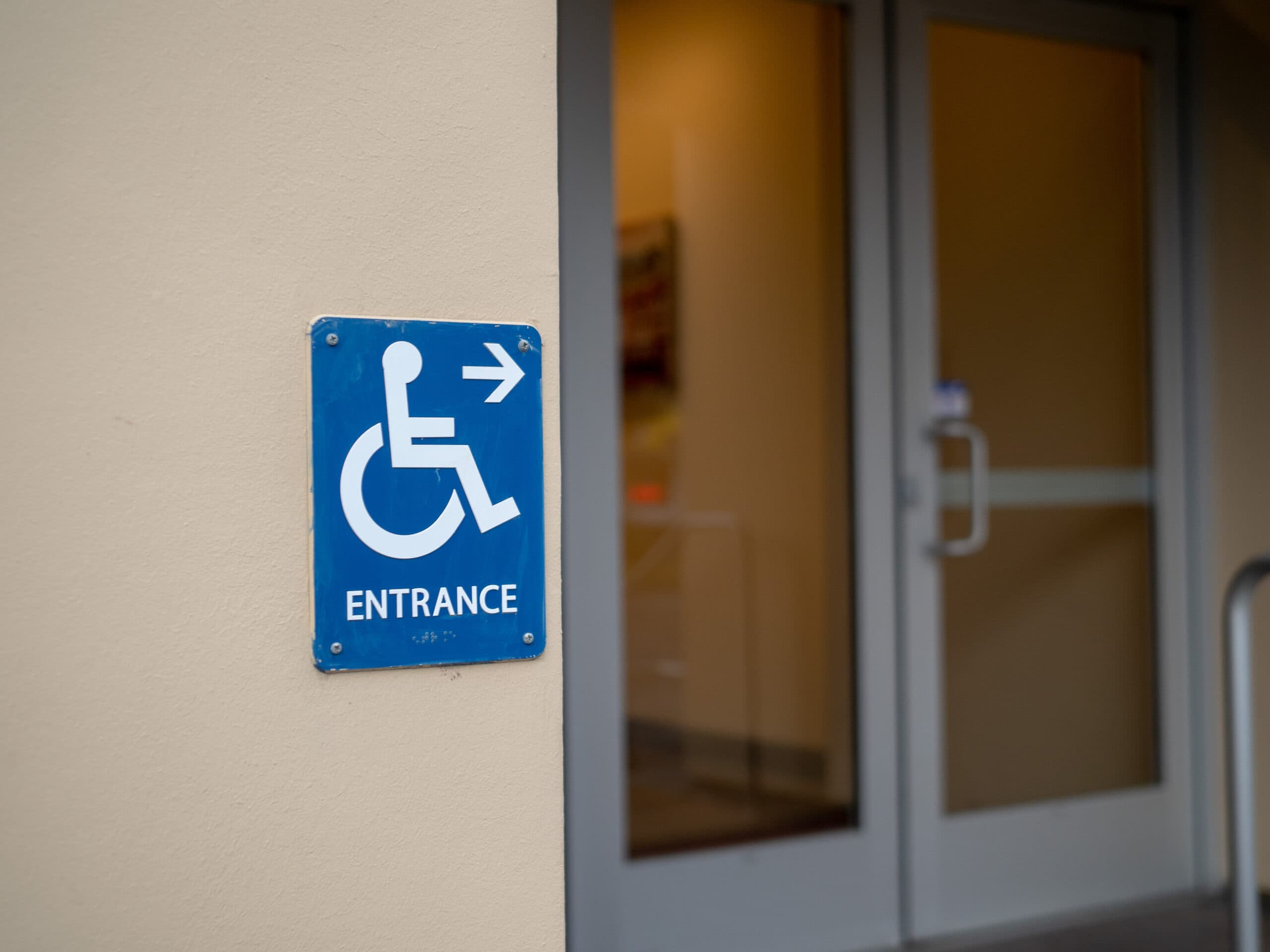
Americans with Disabilities Act (ADA): The ADA is a federal law that prevents discrimination against people with disabilities. That includes facilities that are open to the public, such as retail stores, healthcare offices, hotels and restaurants. Parking accessibility, ramps, restroom dimensions and elevator requirements are some of the basic components of ADA due diligence.
Environmental regulations: Most commercial lenders require an Environmental Site Assessment before they finance a purchase or build. The inspection is intended to identify hazards such as ground contamination, underground storage tanks, lead, asbestos and other factors that could negatively impact public health. Federal environmental regulations also impact operations for industrial and manufacturing businesses.
Occupational Safety and Health Administration (OSHA) standards: OSHA’s purpose is to ensure safe working conditions for U.S. employees. Its standards are particularly strict for industrial and warehouse assets. You’ll need to review mechanical systems, infrastructure and safety equipment – especially during construction – to remain compliant with OSHA regulations for commercial properties.
State-Level Commercial Real Estate Regulations
Building codes: State building codes are typically based on the International Building Code and modified with location-specific amendments. Ohio commercial building codes include regulations for energy efficiency, utility installation and maintenance, fire safety and accessibility.
Environmental laws: In addition to federal regulations, states also have environmental protections in place that could affect permissible commercial uses in a given area. The Ohio Environmental Protection Agency has air, water and waste management permits that operate in conjunction with federal standards.
Lease and disclosure requirements: There are state laws in place to protect commercial tenants and landlords. They include security deposit handling specifications, eviction procedures and lease disclosure requirements, particularly for property defects and environmental conditions.
Local CRE Regulations
Zoning and land use: Local zoning laws classify your property type and determine what type of building can be constructed, where you can build and how you can use the asset.
Building permits: Acquiring commercial building permits is required for new construction, additions, HVAC work, electrical systems, plumbing, tenant improvements and demolition. You’ll need to submit your CRE plans to a local building department before a permit can be issued.
Fire and safety codes: Local fire marshal offices are responsible for enforcing regulations for commercial sprinkler systems, fire alarms and detection equipment, egress, fire lanes and hazardous material storage.
Signage regulations: Depending on the location of your commercial property, you could face signage restrictions. That includes historic districts and corridor overlays along major roadways. You’ll need to consider factors such as sign type, square footage, height limits and illumination.
Tips for Staying Compliant with CRE Regulations
- Establish an internal or external point person to track regulatory changes at the federal, state and local levels.
- Create a compliance calendar to monitor permit deadlines, inspection schedules and reporting dates.
- Maintain an organized file system to centralize paperwork.
- Verify zoning with a local planning department before committing to a project.
- Monitor local planning commission agendas.
- Partner with an experienced commercial broker who can help you adhere to environmental, ADA and zoning requirements.
DRK and Company: A Team That Knows the Columbus Real Estate Market
If you’re looking for a competitive investment or need the ideal location to build your commercial property, you need the expert guidance of a team that knows the Columbus real estate market inside and out. DRK and Company has worked on numerous investment and construction projects in central Ohio for decades. Our network of specialists can give you the edge you need to maximize your returns. Learn more about our services and contact us to schedule a consultation.
You May Also Like


470 Olde Worthington Road, Suite 101
Westerville, OH 43082
© 2026 DRK and Company. All Rights Reserved.