What to Look for When Buying Industrial Property in Columbus
Written on November 24th, 2026 | Updated on November 24th, 2026
Industrial property is one of the biggest purchases you can make as a business owner or investor. Unlike office or retail space, an industrial building is judged less on curb appeal and more on how well it works, so features like ceiling height, dock doors, power supply and truck access often matter more than finishes or foot traffic.
Columbus is a strong place to make that investment. The region’s central location has made it a hub for distribution, manufacturing and logistics. That demand creates opportunities to build equity and generate steady income, but only when the property fits the need.
As you compare industrial property for sale in Columbus, here’s what to look for when buying in this market.
Define Your Goals Before You Search
To figure out how to find industrial property for sale, start with a simple question: why are you buying?
The answer shapes every decision that follows, because if you’re looking for space for your own operations, you’ll judge a property differently than if you plan to lease it. Defining your goals and how much space you need helps you focus on the features that matter and avoid paying for ones that don’t.
If you’re buying for your own business, focus on:
- Operational fit: The layout, clear height and loading setup should match how your team currently moves product.
- Room to grow: Consider extra land, expansion potential and space you can lease out until you need it.
If you’re buying as an investor, your priorities shift to:
- Tenant demand: Look at features most industrial users want, so the building leases quickly.
- Flexibility: Be mindful of layouts that work for many tenants, not one specialized user.
- Income and resale potential: Strong rents, low vacancy and a location future buyers will value are essential factors.
Location and Accessibility
Location is the one thing you can’t change after closing. Where a property sits affects how much you spend on shipping, how easily you can hire and how well the property holds its value.
In Columbus, look for quick access to I-70, I-71 or I-270, plus Rickenbacker International Airport or the Norfolk Southern intermodal terminal if you rely on air cargo or rail. Access to labor is just as important, since a long commute can make hiring harder for warehouses and plants that run multiple shifts. Proximity to suppliers and customers matters, too.
Zoning and Permitted Use
Zoning determines what a property can legally be used for. Some industrial districts allow light assembly and warehousing, while others permit heavier manufacturing, outdoor storage and truck terminals. If the zoning doesn’t match your needs, you could face delays, costly variances and a building you can’t use properly.
That’s why you must verify zoning and other local regulations with the municipality instead of relying on a listing. That matters even more in Central Ohio, where Columbus, its suburbs and surrounding townships have their own codes. Make sure the zoning also leaves room for expansion and different types of tenants.
Building Features and Functionality
Once location and zoning check out, turn to the building itself. As you evaluate industrial space, check these features:
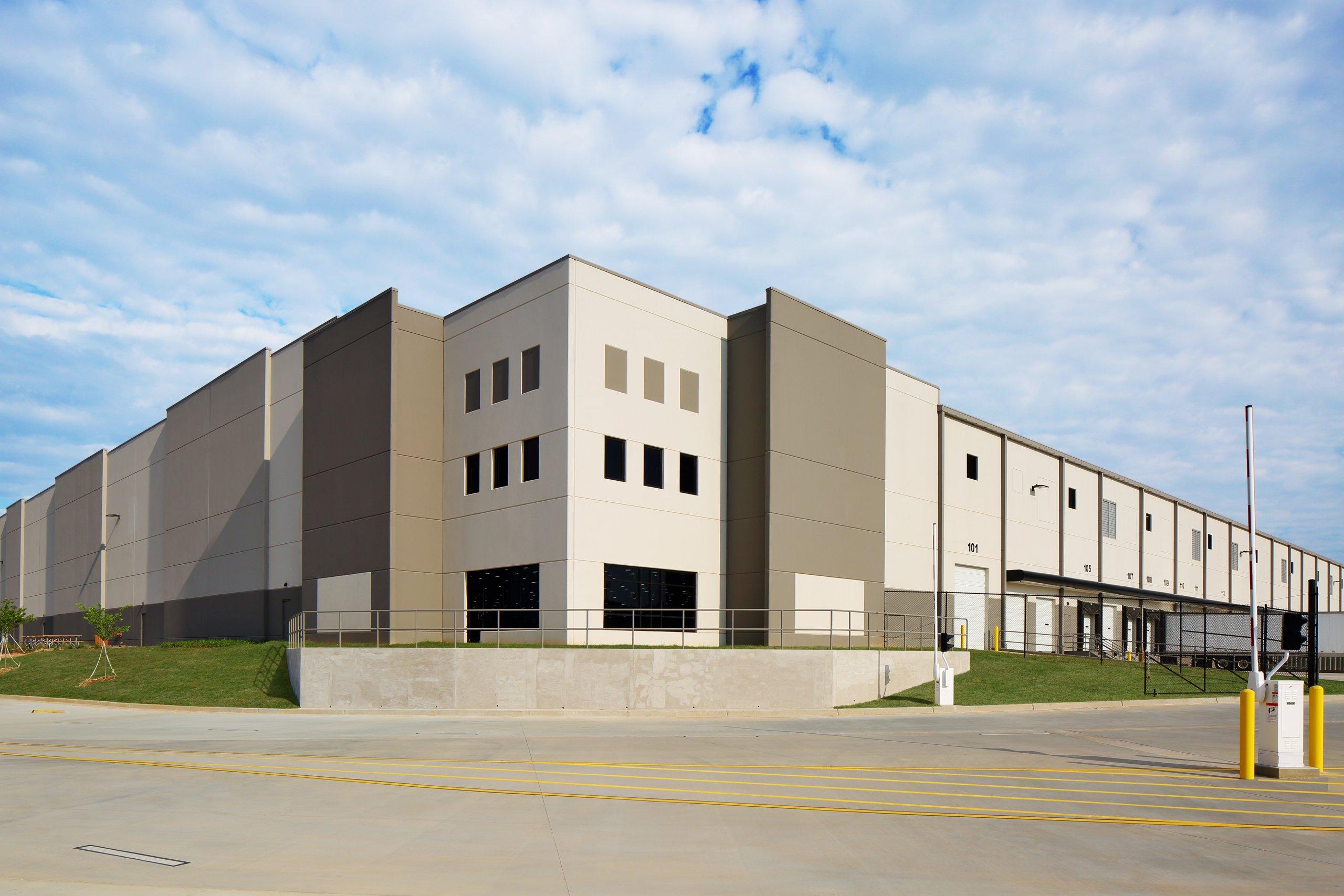
- Clear height: The usable height inside the building determines how high you can stack racking. Newer distribution buildings often have 32 feet or more, while older buildings may top out closer to 20 feet.
- Loading docks: Count the dock doors and check for levelers and seals, since too few doors create bottlenecks at peak times.
- Truck access: Check the depth of the truck court, the turning radius and the amount of trailer parking.
- Layout: An open, rectangular floor plan is easier to configure and appeals to more tenants.
- Column spacing: Wider column spacing makes it easier to arrange racking, equipment and forklift aisles.
- Office space: Most tenants need some, but too much eats into warehouse or production space.
Power and Utility Capacity
Power is one of the most overlooked factors in an industrial purchase. Many buyers assume they’ll upgrade later, but adding electrical service can take months and cost six figures.
If you run manufacturing lines or other heavy equipment, confirm the building’s amperage, voltage and three-phase service before you make an offer. Beyond electricity, make sure the water and sewer systems can support your process and that the fire protection system meets the requirements for what you plan to store.
Property Condition and Due Diligence
Even a building that checks every box on a tour can hide serious problems. Due diligence is your chance to find them before they become your responsibility.
For industrial property, environmental review deserves extra attention. Many sites have a history of manufacturing, chemical storage or fuel use, and contamination can result in cleanup costs. A Phase I Environmental Site Assessment is a standard first step, and many lenders require one. If it raises concerns, a Phase II assessment may follow. You’ll also want a structural inspection, since replacing a worn roof or floor slab is among an owner’s largest expenses.
Financial Considerations
Once you’ve confirmed the building is sound, turn to the numbers. The purchase price is only part of the total cost of ownership, which also includes taxes, insurance, utilities, maintenance and upcoming capital improvements.
The good news is that incentives can offset some of those expenses. Many Central Ohio communities offer property tax abatements through programs like Community Reinvestment Areas and Enterprise Zones. Ask about them early on, since they require approval before you close or start construction.
Finally, think about your exit. Even if you intend to hold the property for decades, a building that’s easy to lease or sell protects your investment if your plans change.
Work with an Experienced Columbus Real Estate Team
An experienced local team can help you compare options and negotiate terms that protect your investment. At DRK & Company, we’ve spent decades helping clients buy, sell and lease commercial property across Central Ohio, including warehouses, manufacturing facilities and flex space. We know the local market, the municipalities and the building features industrial tenants care about.
Beyond brokerage, our team offers property management, tenant representation, development support and commercial investment guidance, so you have support long after closing. When you’re ready, browse our current industrial space for sale, then contact us to schedule a consultation and talk through your goals.
You May Also Like


470 Olde Worthington Road, Suite 101
Westerville, OH 43082
© 2026 DRK and Company. All Rights Reserved.